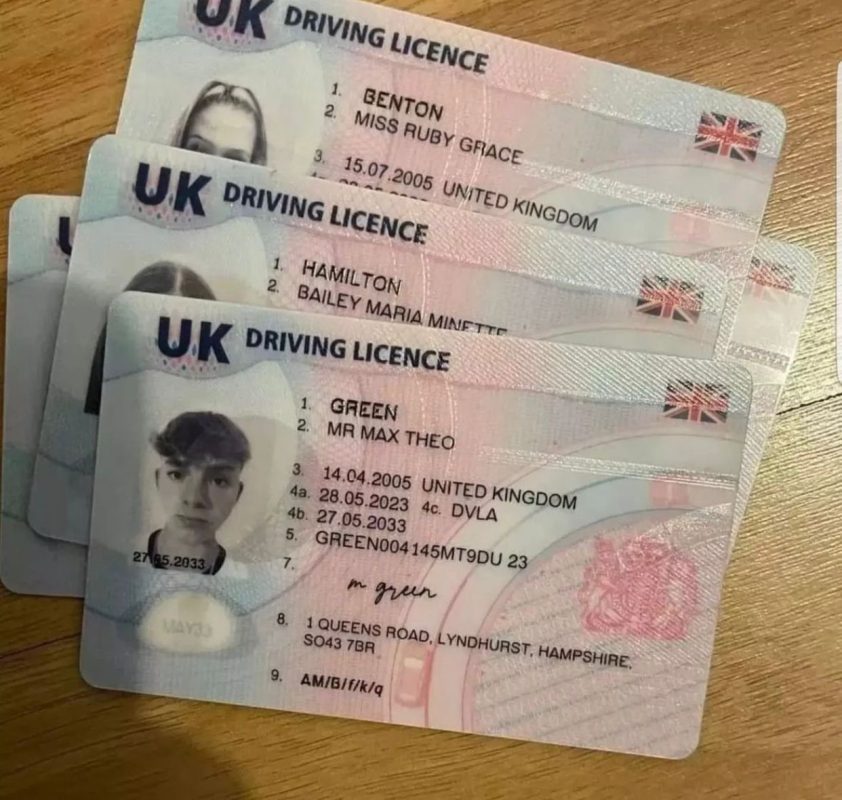
A Comprehensive Guide to Obtaining and Understanding Driver Licences in the UK
Driver licences in the United Kingdom are vital documents that authorize individuals to operate automobile on public roads. British Drivers Licence of obtaining a driver licence is structured thoroughly to make sure that only qualified individuals can drive, consequently enhancing roadway safety for all. This article supplies a comprehensive summary of the UK driver licence system, covering everything from the kinds of licences to the application process, key paperwork required, and often asked questions.
Kinds Of Driver Licences in the UK
The kind of licence you need depends on the category of lorry you plan to drive. Below, we will explore the numerous categories of driver licences in the UK.
| Classification | Description |
|---|---|
| Classification A | Motorbikes with a capability over 400cc or with a power output exceeding 25kW. |
| Category B | Cars and light lorries as much as 3.5 tonnes with no more than 8 traveler seats. |
| Category C | Large lorries, over 3.5 tonnes. |
| Classification D | Buses with more than 8 seats. |
| Classification E | Vehicles with trailers, which should be included on to an existing category B, C, or D licence. |
| Classification F | Agricultural cars. |
| Classification G | Road rollers and other special cars. |
How to Obtain a UK Driver Licence
Action 1: Meet the Eligibility Requirements
To get a driver's licence in the UK, you must satisfy specific eligibility criteria:
- Age: You must be at least 17 years old to drive a car; 16 for mopeds.
- Residency: You must be a local of Great Britain, the Isle of Man, or Northern Ireland.
- Medical Fitness: You should fulfill particular fitness requirements.
Step 2: Apply for a Provisional Licence
Before you can begin driving on the road, you need to get a provisional licence. This allows you to practice driving under specific conditions.
How to apply for a provisional licence:
| Method | Information |
|---|---|
| Online | Through the DVLA website (Driver and Vehicle Licensing Agency). |
| By Post | Submit the D1 form and send it to the DVLA with a fee. |
Needed Documents:
- Proof of identity (passport or birth certificate).
- A passport-sized photo.
- Payment for the application charge.
Step 3: Learning to Drive
When you have your provisional licence, you can start taking driving lessons. It is highly a good idea to discover a qualified driving instructor. You can also practice with household or pals as long as they fulfill the requirements (over 21 and holding a full UK driving licence).
Step 4: Take the Driving Test
The driving test includes two crucial parts: the theory test and the practical test.
Theory Test:
- Multiple Choice Section: 50 questions on driving knowledge.
- Risk Perception Section: Videos where you need to identify risks.
Practical Test:
- An on-road driving evaluation normally lasting about 40 minutes.
Step 5: Receive Your Full Licence
Upon passing both parts of the driving test, you will receive a full driving licence that you can utilize on UK roadways.
Key Documentation Needed for Application
When obtaining a UK driving licence, the following paperwork is typically required:
- Proof of Identity: Passport, birth certificate, or nationwide identity card.
- Address Information: Document showing your current address, e.g., energy expense or bank declaration.
- Photos: Passport-sized photos, which should meet particular requirements.
- Application Fee: Payment technique, generally payable online or by means of cheque.
Often Asked Questions (FAQs)
Q1: What is the cost of acquiring a driver licence in the UK?
The initial cost for a provisional licence is approximately ₤ 34 when used online. The theory test costs around ₤ 23, while the practical test can range in between ₤ 62 and ₤ 75. Charges might vary, so it's recommended to inspect the latest costs on the DVLA site.
Q2: How long is my driving test valid for?
Once you pass your driving test, your driving test pass certificate is valid indefinitely. However, if you do not get your driver licence within two years of passing, you will need to take the test again.
Q3: Can I drive while waiting on my driver licence?
Yes, you can drive using a provisionary licence, supplied you have actually a qualified driver accompanying you in the vehicle and you are not on freeways.
Q4: What happens if I fail my driving test?
If you fail your driving test, you can retake it 2 weeks after your last attempt. The waiting period is developed to give you time to practice and improve your skills.
Q5: Can I update my licence to a various classification?
Yes, you can update your licence to a different classification, such as from a basic car licence (Category B) to a bus or big automobile licence. This will typically need taking additional driving tests.
The journey to getting a driver licence in the UK includes several crucial actions and an understanding of the various classifications available. From using for a provisionary licence to passing the necessary tests, each phase acts as a procedure to ensure that people are prepared to drive properly. By comprehending the procedure and requirements detailed in this guide, prospective drivers can set themselves up for success on the road.
Whether you desire drive a car, a bus, or a bike, being informed is your first step towards ending up being a confident and capable driver.